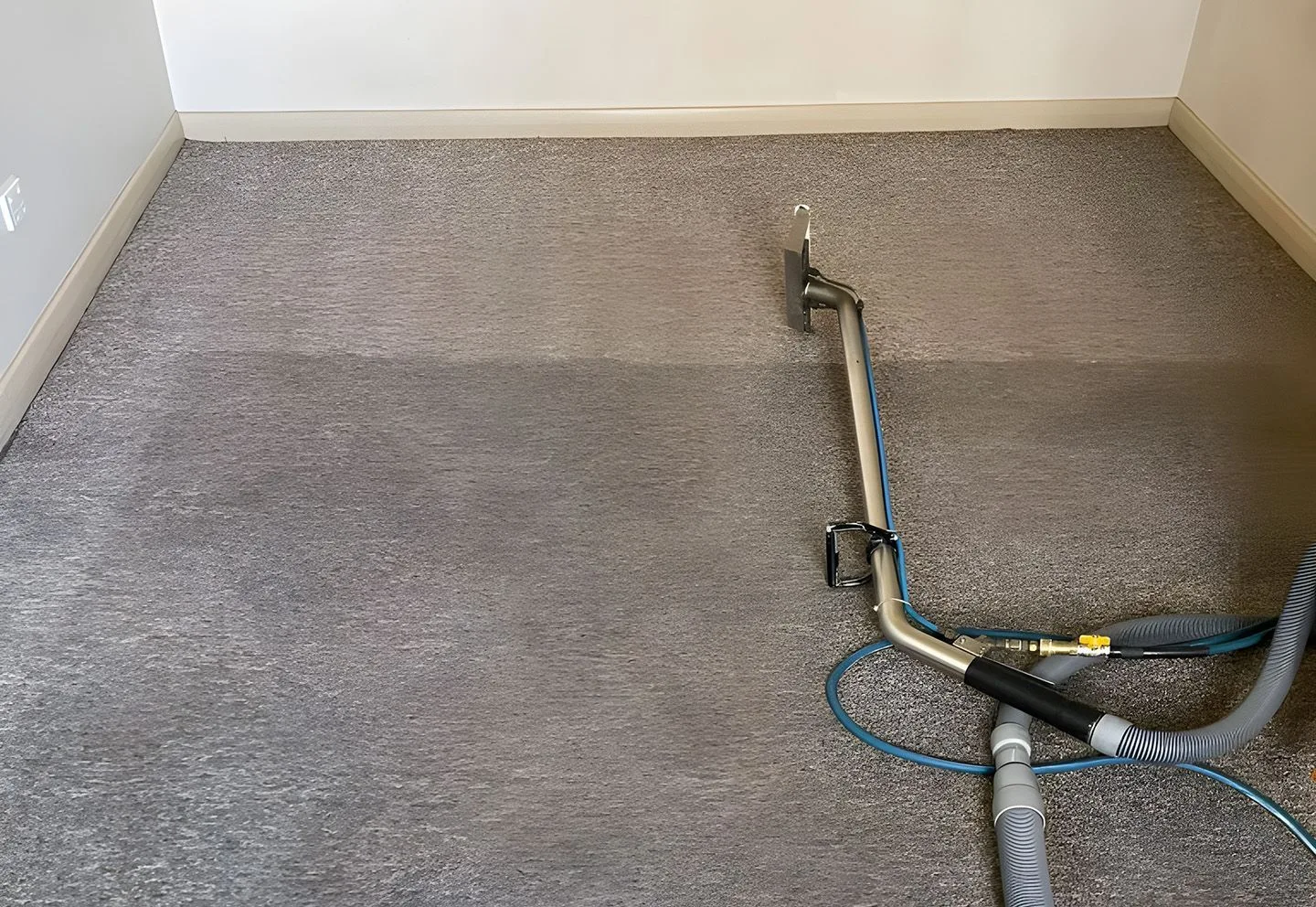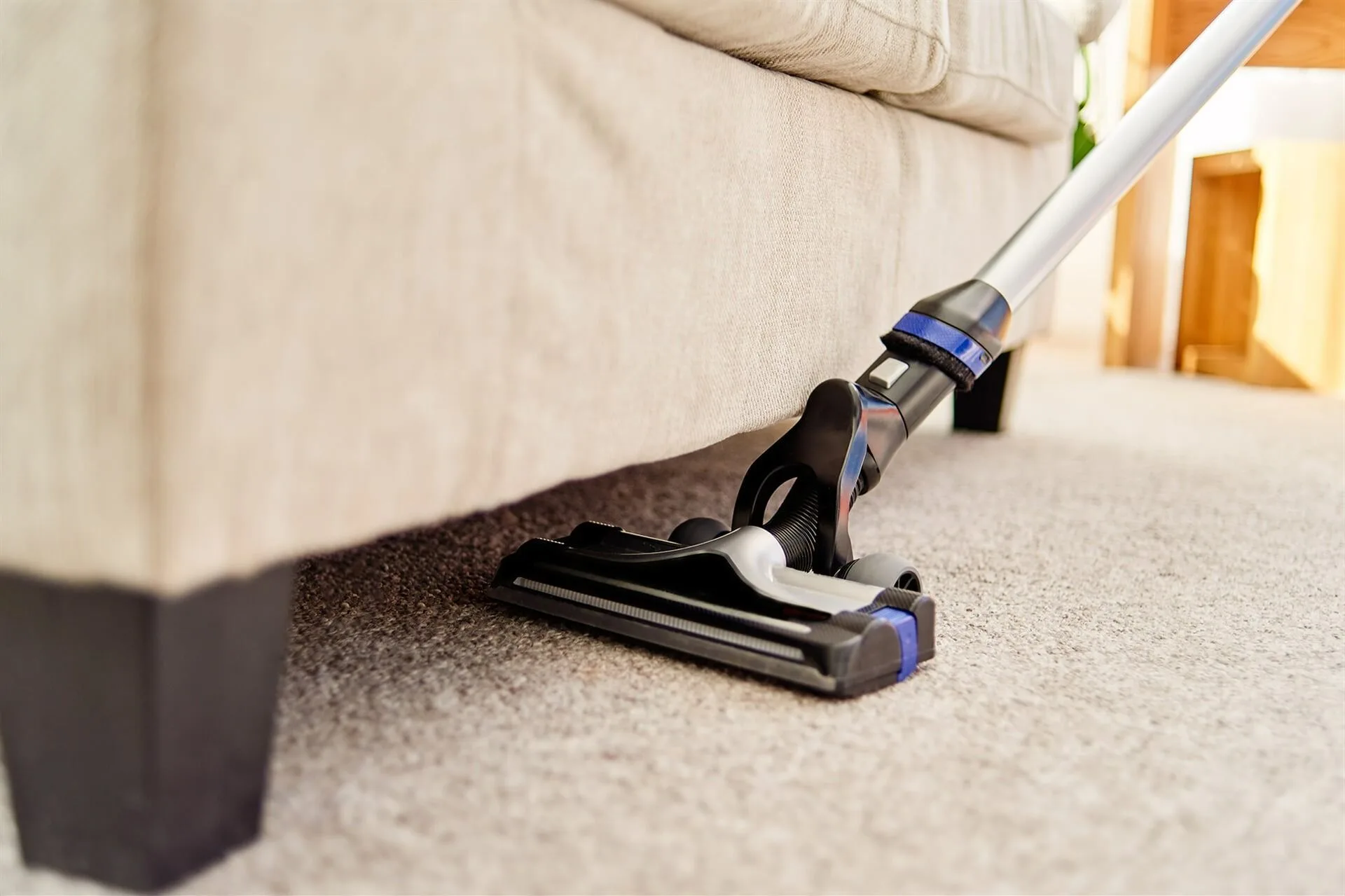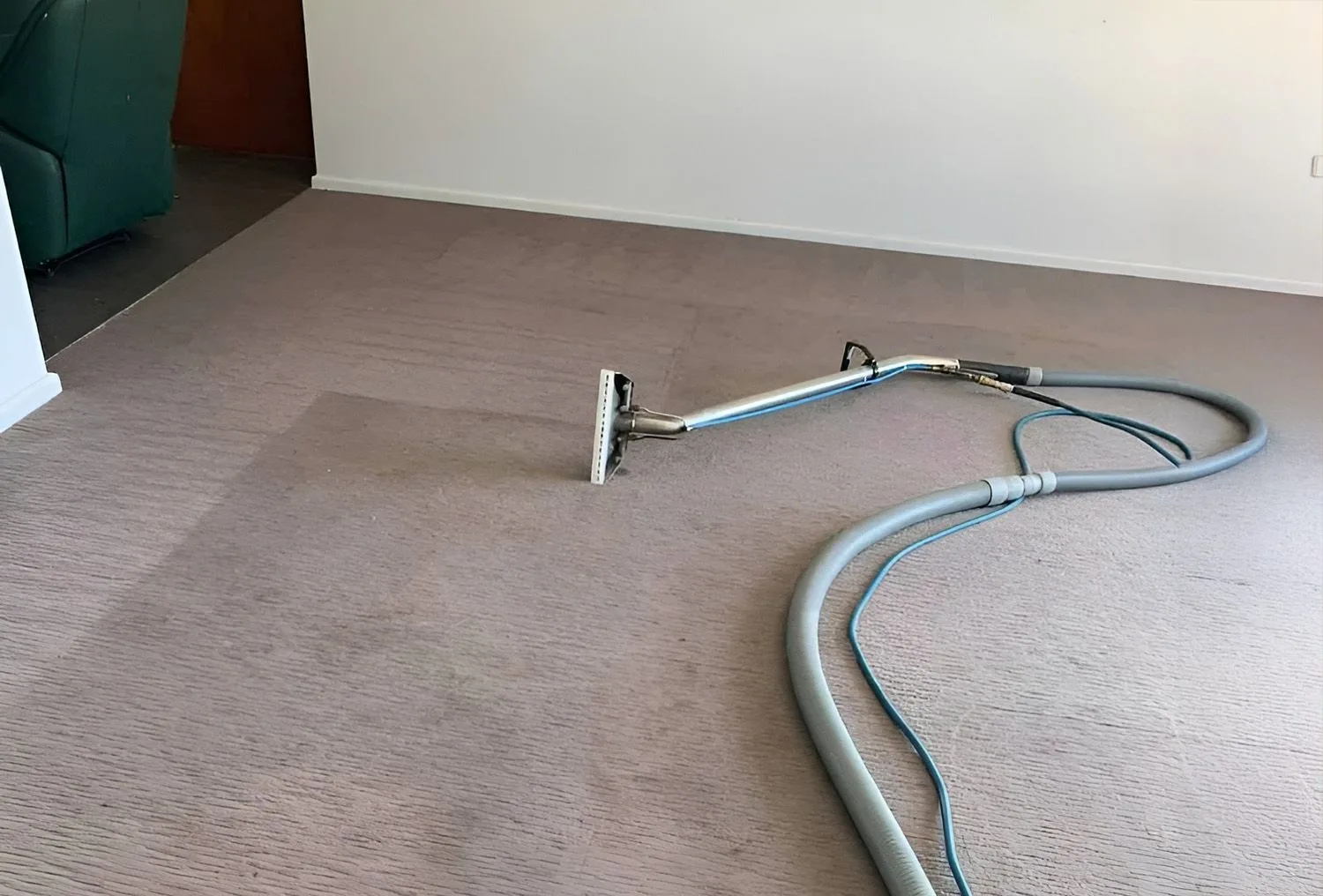
It's a familiar concern. You've booked a carpet clean, you're looking forward to fresher, healthier floors, but then you glance around at your lounge suite, dining table, entertainment unit and timber sideboards. What actually happens to all that furniture while your carpets are being cleaned?
When people arrange professional carpet cleaning, they're often focused on stains and odours. Yet one of the most important parts of the carpet cleaning process happens before the machine even switches on. Protecting furniture, preventing moisture damage and avoiding marks on freshly cleaned carpet are all part of careful carpet cleaning services.
1. Pre-Inspection & Risk Assessment Before Cleaning Begins
Every carpet cleaning process should begin with a thorough walk-through of the property. This stage is about understanding what's in the room just as much as assessing the carpet itself.
During a pre-inspection, cleaners typically:
- Identify heavy or delicate furniture items
- Check for timber, metal or composite legs that may react to moisture
- Note pre-existing damage to furniture or flooring
- Assess how much movement is required for deep carpet cleaning
2. Careful Moving & Positioning of Furniture
One of the most visible parts of the carpet cleaning process is furniture relocation. However, it is rarely done hastily. Where appropriate, items such as lightweight chairs, coffee tables and smaller furnishings are carefully moved to allow full access to the carpet. Heavier pieces may be shifted in sections to clean underneath without unnecessarily relocating the entire room.
This step usually involves:
- Lifting rather than dragging to protect carpet fibres
- Using team lifting techniques for bulky items
- Avoiding unnecessary movement of fragile pieces
- Leaving very heavy or fixed items in place where required
3. Use of Protective Blocks & Tabs Under Furniture Legs
One of the simplest yet most important protective measures in professional carpet cleaning is the use of protective blocks and tabs. After cleaning, carpets remain damp for a period of time. Placing furniture directly back onto wet fibres can cause issues such as:
- Rust marks from metal legs
- Tannin stains from timber bleeding into carpet
- Indentations forming while fibres are soft
- Moisture wicking into wooden furniture bases
To reduce these risks, small plastic or foam blocks are placed under legs. Absorbent tabs may also be used to separate furniture from damp carpet.
4. Moisture Control During the Carpet Cleaning Process
Moisture management plays a central role in protecting furniture. Excess water can affect not only carpets but also skirting boards, cabinetry and furniture bases. Modern carpet cleaning services use controlled water application and extraction methods designed to limit residual moisture. In addition, technicians monitor:
- The amount of solution applied
- Extraction passes to remove as much moisture as possible
- Airflow and ventilation within the property
- Drying time before repositioning heavier items
5. Protection of Timber, Metal & Upholstered Pieces
Not all furniture reacts to moisture in the same way. Timber may stain or warp. Metal may rust. Upholstered bases may absorb water and transfer colour. As part of carpet cleaning safety practices, cleaners typically assess the material of each piece before repositioning it.
Protective measures may include:
- Using plastic or foam barriers under timber legs
- Preventing direct contact between metal bases and damp carpet
- Avoiding repositioning upholstered items until carpet is partially dry
- Monitoring for potential dye transfer from coloured furniture
6. Managing Heavy & Fixed Furniture
Some items are simply too large or too delicate to move fully. Built-in cabinetry, wall units, pianos or extremely heavy lounge suites may remain in place. In these cases, carpet cleaning services often:
- Clean carefully around fixed items
- Use edge tools to reach accessible areas
- Apply protective tabs where legs meet damp carpet
- Advise occupants about airflow and drying time
7. Post-Cleaning Repositioning & Final Checks
Once cleaning is complete, attention turns to returning the room to order. However, repositioning furniture too quickly can undo the protective steps taken earlier. After professional carpet cleaning, technicians generally:
- Replace items carefully onto protective blocks or tabs
- Align furniture without dragging across damp fibres
- Check for stability on protective supports
- Conduct a visual inspection of the cleaned area
8. Advice for Ongoing Home Carpet Care
Furniture protection doesn't end when the cleaning crew leaves. Homeowners and tenants also play a role in maintaining carpet condition during the drying phase. Carpet cleaning services often provide guidance such as:
- Leaving protective blocks in place until carpet is fully dry
- Avoiding removal of tabs too early
- Allowing airflow through open windows or fans
- Minimising foot traffic in recently cleaned areas
Get in Touch
At Albury Wodonga Cleaning Service, we understand that arranging professional carpet cleaning involves trust. People want their carpets cleaned thoroughly, but they also want peace of mind that lounges, tables and other furnishings will be treated with care throughout the carpet cleaning process. To book carpet cleaning services or to speak with our team, get in touch today.